


From skyscrapers touching the clouds to the massive tunnels and bridges that connect our world, modern construction is a feat of raw power. Hydraulics is the muscle behind this monumental effort—the unseen force that lifts tons, breaks rock, and moves mountains of earth.
Carehyd builds the hydraulic heart for the world’s hardest-working machines. Our solutions are not designed in a lab; they are forged for the job site. We deliver raw power, precise operator control, and uncompromising reliability, engineered to survive in the mud, dust, and chaos of a real-world project.
Customized Solutions
High Efficiency
Reasonable Pricing
Technical Support and Service
Carehyd is your one-stop shop for hydraulic equipment procurement.

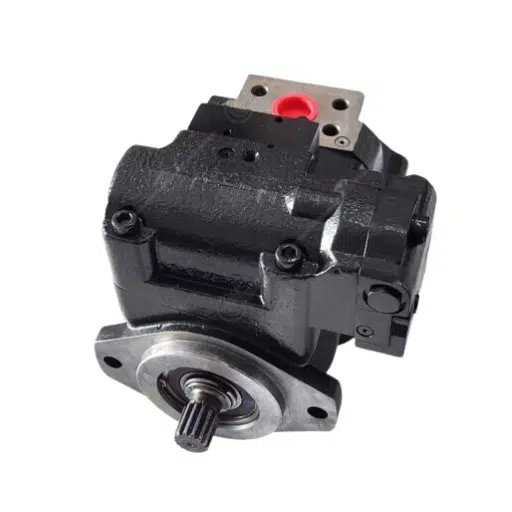
Built for the Job Site: Mastering the Toughest Conditions
A construction site is where machines come to be tested. Unlike a factory, this environment is unpredictable and relentless. Carehyd systems are designed to conquer these specific challenges:
Extreme Contamination: Dust, dirt, mud, and water are the #1 enemies of hydraulics. Our systems are designed with superior filtration and robust sealing (like polyurethane U-cup and wiper seals) to protect critical components.
Constant Shock & Vibration: The violent, high-frequency impacts from a hydraulic breaker, rock drill, or pile driver can shatter standard components. Our designs prioritize robustness, using vibration-damped clamps and solid manifold blocks over weaker hose assemblies.
Power with Finesse: An excavator needs the brute force to dig through hardpan, but also the delicate precision to grade a slope to within an inch. Our load-sensing and proportional valve systems give operators this critical dual capability.
Total Efficiency & Uptime: In construction, downtime is catastrophic. A-line-down excavator can halt an entire crew, costing thousands per hour. Our energy-efficient, load-sensing pumps reduce fuel burn, while our durable components ensure your fleet stays on the job, not in the shop.
Powering the World's Hardest-Working Machines
1. Earthmoving (Excavators, Dozers, Loaders) The core of the job site. Carehyd’s intelligent, load-sensing hydraulic systems allow for seamless multi-function control—letting an operator lift, swing, and travel simultaneously. This provides a faster, smoother, and more fuel-efficient digging cycle.
2. Cranes & Aerial Lifts (Heavy Lifting) This is where power meets safety. Our high-precision proportional valves allow for “feathering” a 50-ton load into place with millimeter-level accuracy. We integrate critical safety features like fail-safe counterbalance valves, which lock a cylinder in place and prevent a load from crashing if a hose fails.
3. Demolition, Drilling & Piling (High-Impact) These machines generate brutal pressure spikes. Our systems for hydraulic breakers, rock drills, and compactors are designed with high-pressure surge protection and rapid-cycling components that can withstand a lifetime of high-frequency impacts.
4. Roadwork & Infrastructure (Paving, Compacting) Continuous operation is key. We provide high-efficiency hydrostatic drives and steering systems for pavers, rollers, and graders. These systems deliver the smooth, steady, and reliable control needed for high-quality finished surfaces.
FAQs on hydraulic equipment in Construction and Infrastructure
What is the biggest killer of hydraulics on a construction site?
Contamination. Dirt and water are responsible for over 80% of all hydraulic failures. We combat this by designing systems with high-efficiency, multi-stage filtration, heavy-duty cylinder rod wipers, and sealed (breather-equipped) reservoirs to keep the fluid pristine.
What is "load-sensing" and why does it save fuel for my fleet?
A simple, traditional hydraulic pump runs at 100% power all the time, dumping excess flow (and wasted fuel) over a relief valve. A Carehyd load-sensing system is "smart." The pump only produces the exact pressure and flow needed for the job at that moment. When the operator isn't moving a lever, the pump uses almost no power, saving significant amounts of diesel over a day's work.
My operators complain our current machines are "jerky." How do you fix that?
That "jerky" feeling comes from low-quality valves that are either "all on" or "all off." We solve this with high-response proportional valves. They give the operator a true "feel" for the load, allowing them to "feather" the controls for incredibly smooth, precise, and safe placement of materials.
How do your hydraulic systems improve safety on a crane or aerial lift?
We build safety directly into the valving. The most critical component is a counterbalance valve (or pilot-operated check valve). If a hydraulic hose were to burst, this valve automatically senses the loss of pressure and locks the cylinder in place, preventing the load or the operator basket from falling.
Can your components really handle the vibration from a hydraulic breaker?
Yes. They are designed for it. Instead of relying on long hoses that can chafe and fail, we use integrated manifold blocks—solid blocks of steel with internal drilled pathways. This dramatically reduces the number of fittings that can shake loose. We combine this with robust component housings and high-pressure-rated parts that are built for pressure-spike-intensive work.